The Arizona College and Career Ready Standards will be the basis for the core of all instruction in all of the academic components. Each student will be given the opportunity to master the standards in all content areas. The objective of the school curriculum is to equip students with the knowledge necessary to master life, prepare students for success in college, inspire a lifelong love of learning, and foster responsible citizenship. The skills of reading, writing, abstract reasoning and mathematics are emphasized. The curriculum is designed to establish a balanced, well-rounded education in the following areas:
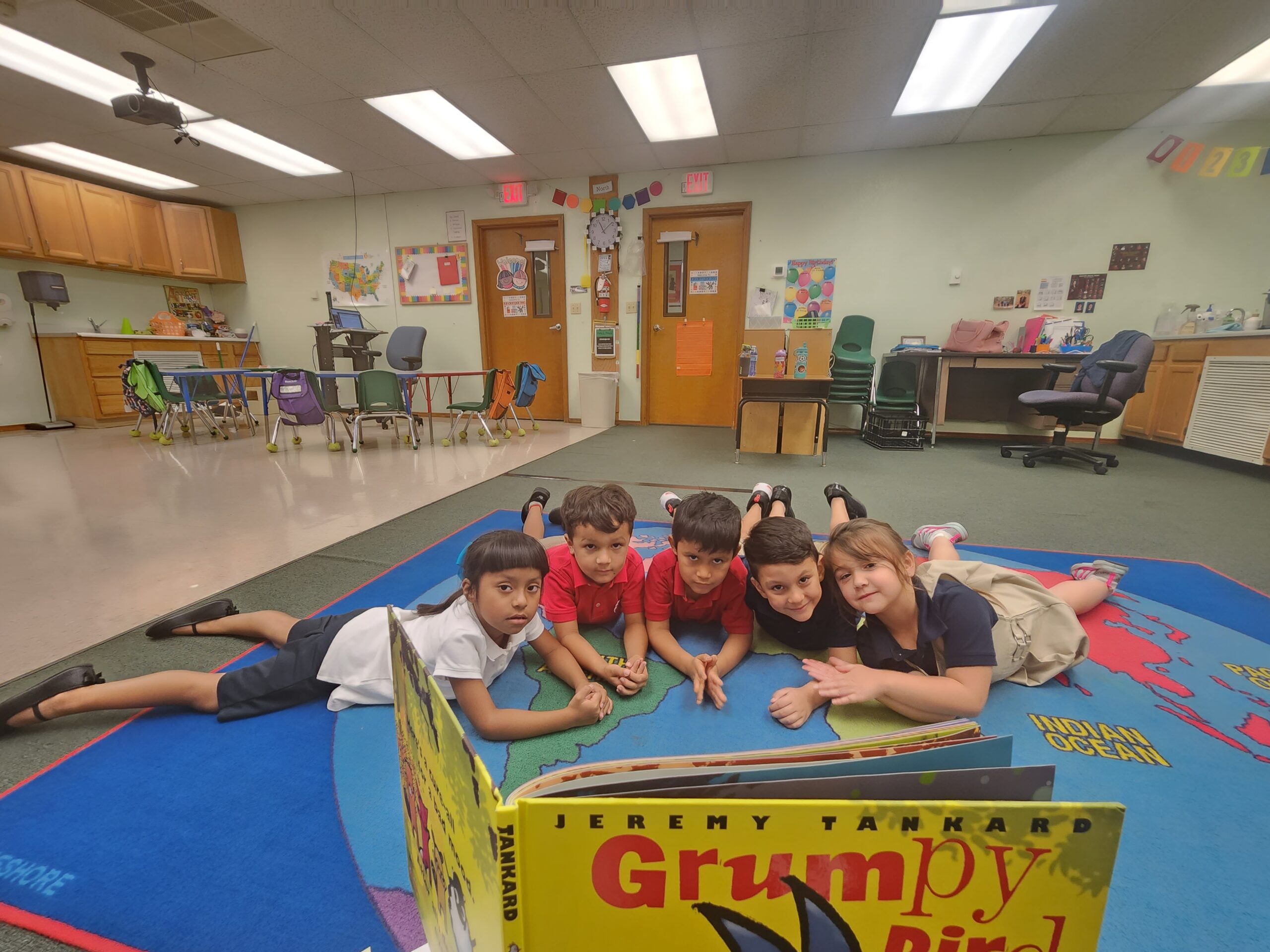
Kindergarten: Phonics, Reading, Math, Writing, Social Studies, Science, Art, Music, Computer Science
Grades 1–6: English, Math, Reading, Writing, Social Studies, Science, Art, Music, Computer Science
Concordia Charter School uses the highly acclaimed Core Knowledge curriculum. The Core Knowledge Foundation is a nonprofit organization which offers a rich curriculum, classroom materials, and professional development for teachers. The Foundation’s Mission is to “offer all children a better chance in life and create a fairer and more literate society by educating America’s youth in a solid, specific, sequenced, and shared curriculum.”
Core Knowledge Language Arts is a part of the Core Knowledge curriculum described above. It is divided into two strands which makes learning to read fun an interesting for every child. The first strand is called the Skills Strand and this is where the students are learning how to decode and gets the basics of reading down. The students will learn how to blend, what sounds the letters make, and what the letter names are. The second strand is called the Listening and Learning Strand, and this is where the students are being read stories aloud from the teacher. Both of the components are very important in helping a child learn to read.
Saxon Math is designed to get kids engaged in mathematics while still teaching them what they need to know. The Saxon Math curriculum has an incremental structure that distributes content throughout the year. This integrated and connected approach provides deep, long-term mastery of the content and skills called for in the Arizona Career and College Ready Standards.